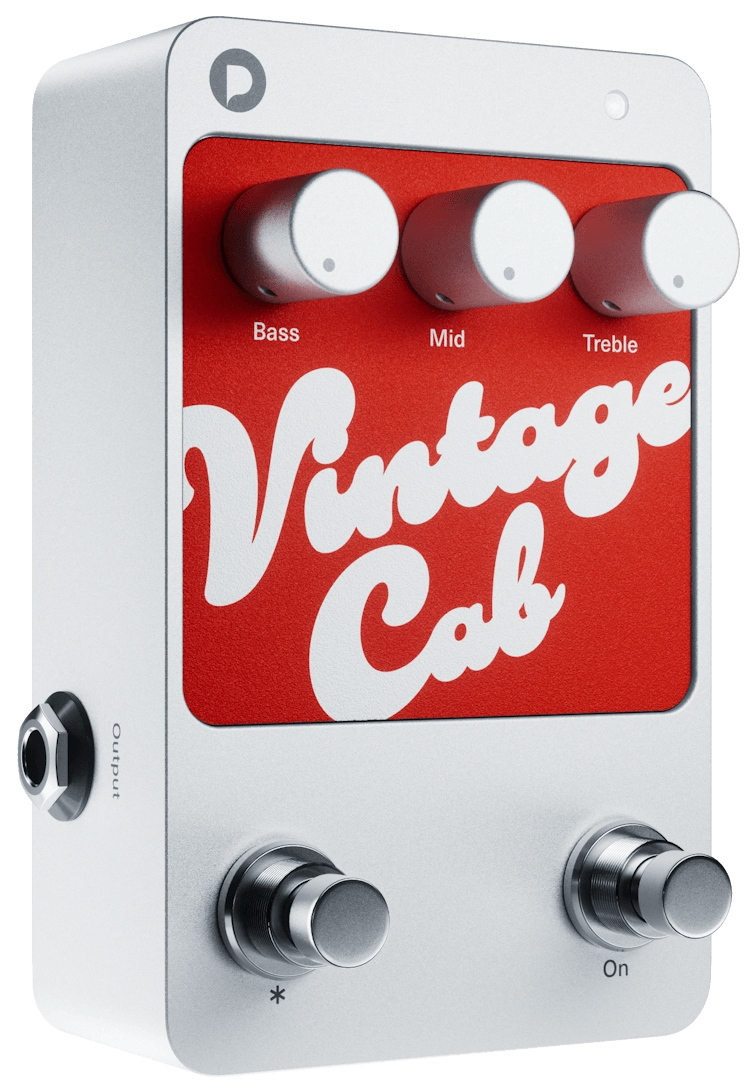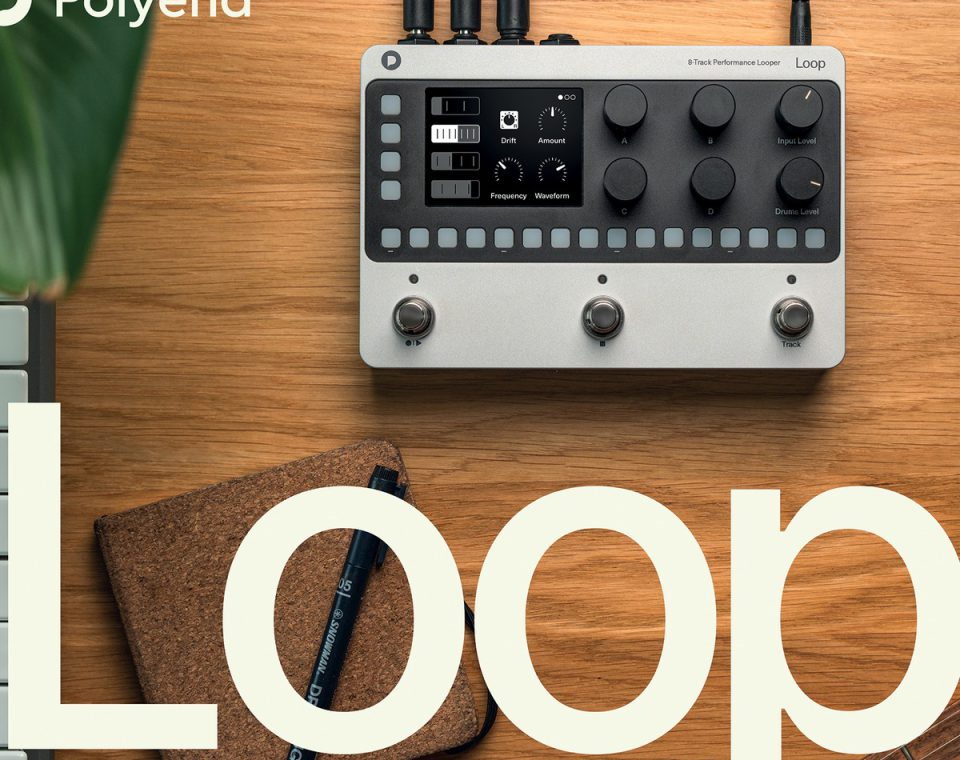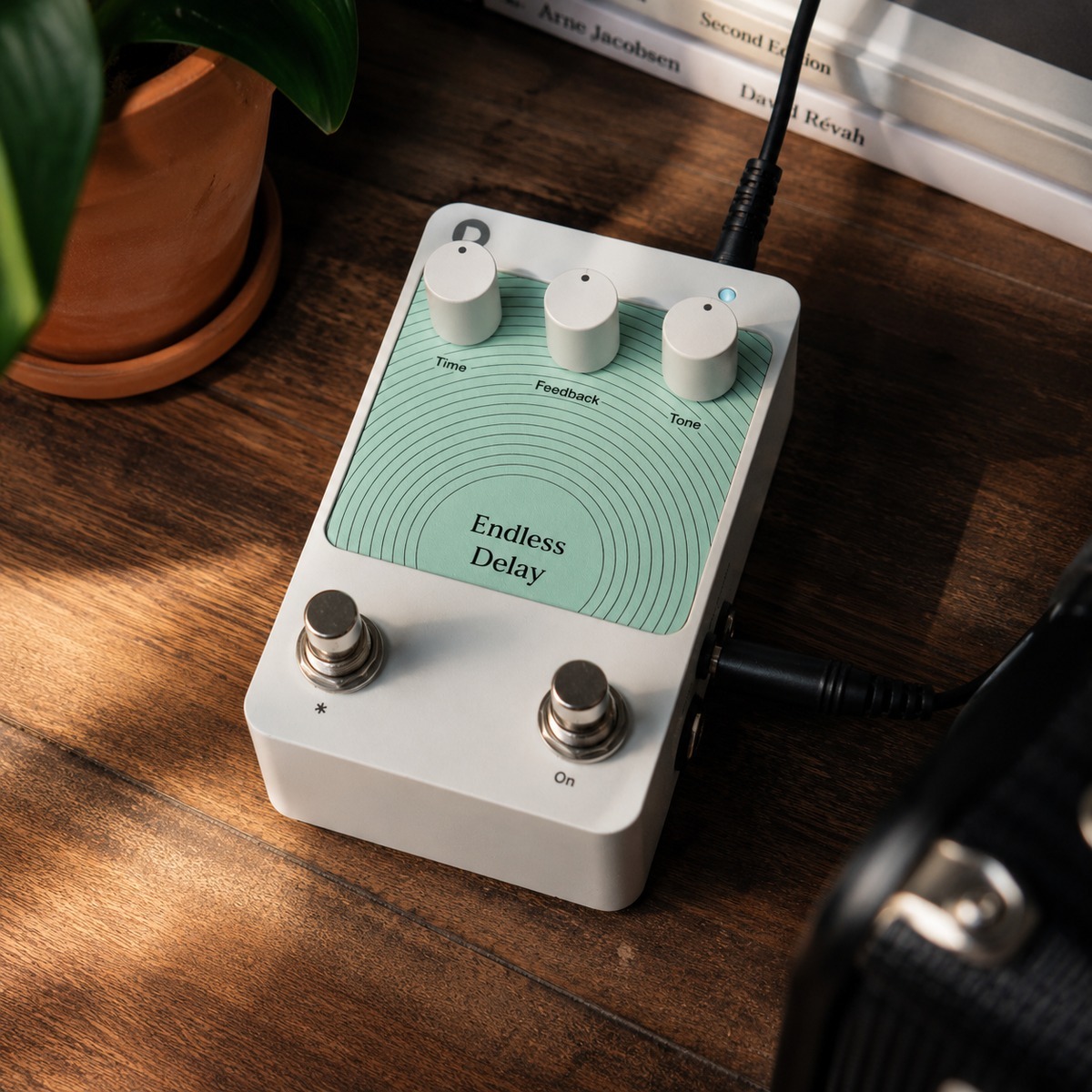
Polyend Endless was one of Polyend's most talked-about releases earlier this year, and now that units are starting to ship, it is worth a closer look. Rather than behaving like a fixed single-purpose stompbox, Endless is a customizable effects platform built around the idea that a pedal can keep changing with the player.
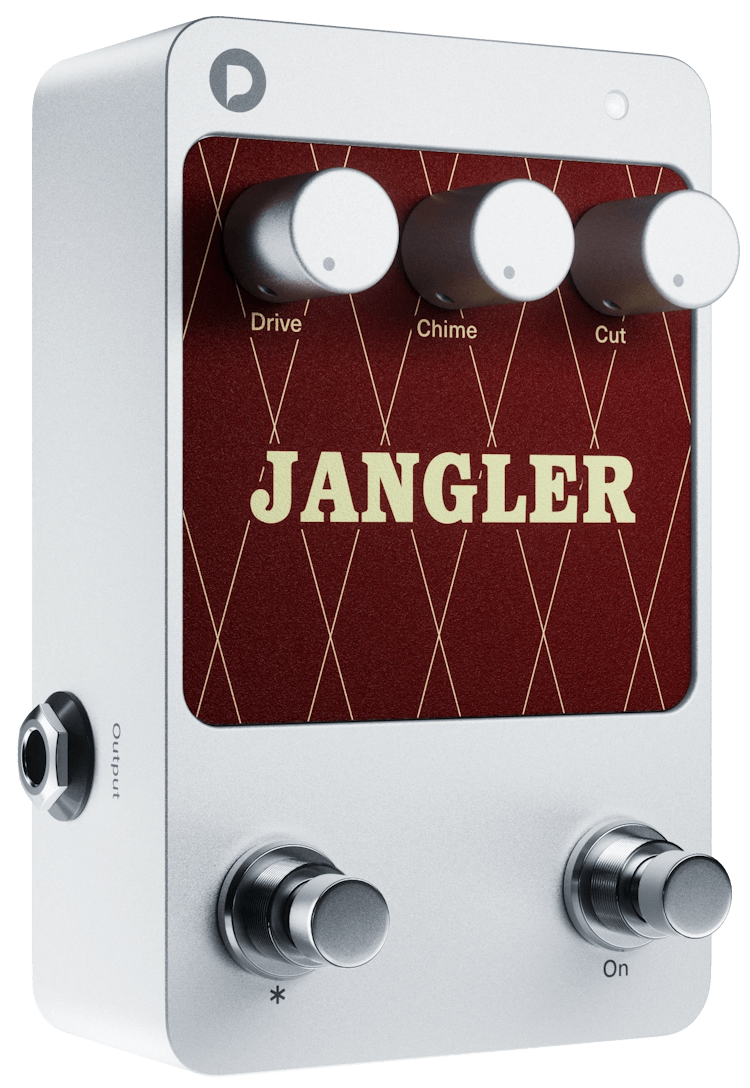
At its simplest, Endless lets users load an effect, play, and repeat. The bigger idea is what happens next: players can use existing effects, create new ones, and share them with the Polyend community.
A Pedal Built Around New Effects
Endless is designed to help turn ideas into playable effects. Polyend's Playground beta lets users describe the kind of effect they want, then generate a ready-to-load device in minutes. For more technical users, Polyend also provides an open-source SDK and examples on GitHub, so effects can be developed directly in C++.
That gives Endless two different creative paths. A guitarist or synth player can use the Playground approach to sketch an idea without coding, while developers and deep sound designers can build effects manually and push the pedal further.
More Than a One-Sound Box
Endless runs one effect at a time, but it is not limited to one personality. The pedal can load existing effects from Polyend's library, effects created by the user, and effects shared through the community. That makes it feel less like a traditional static pedal and more like a platform for new processing ideas.
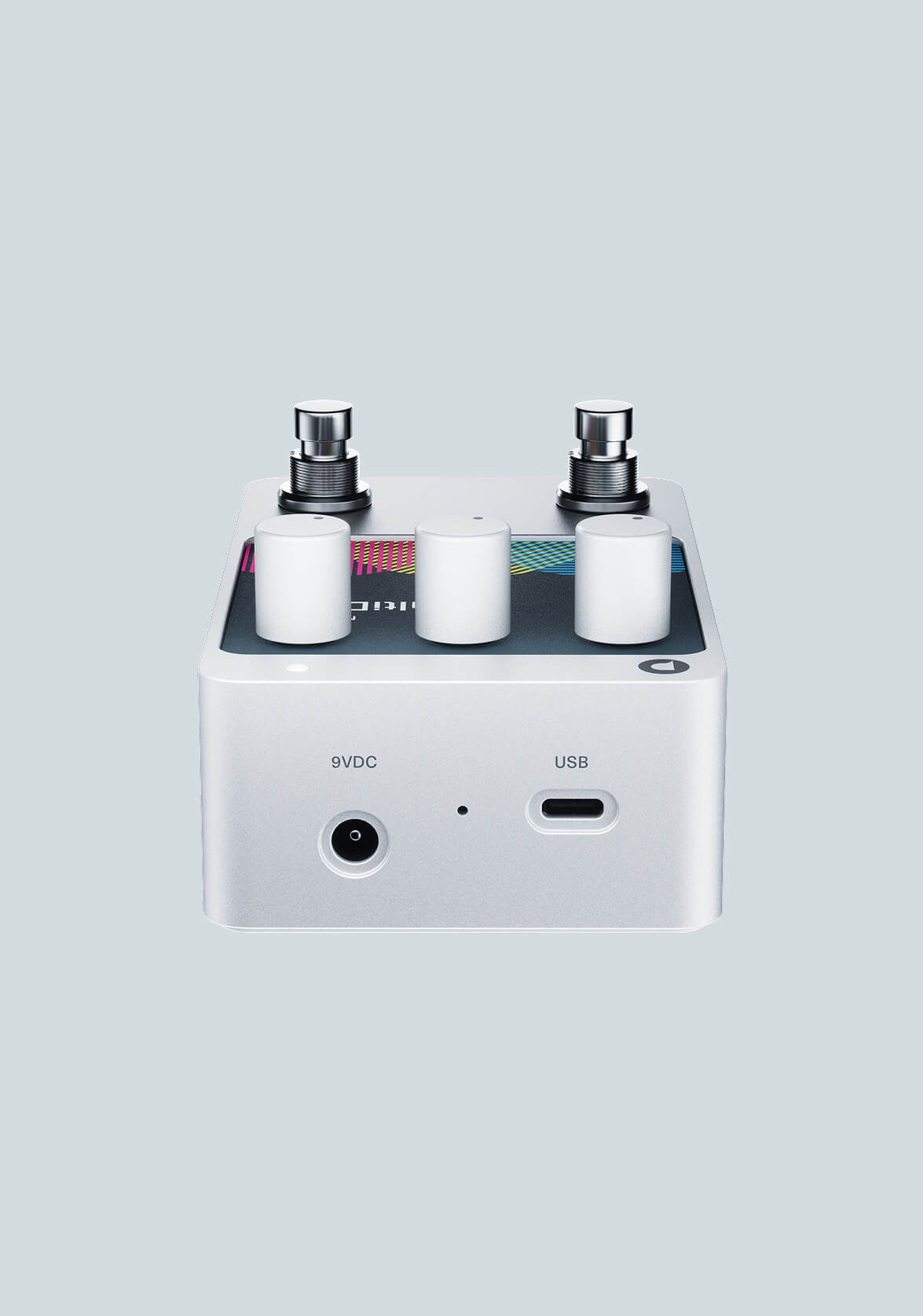
Polyend also includes swappable front plates. A blank plate is included, with additional designs available, giving the pedal a visual side that can change along with the sounds loaded inside it.
Studio-Grade Audio and Practical Control
The hardware is built in a custom-machined aluminum enclosure with metal knobs and a clean, performance-focused layout. Audio runs in stereo at 48 kHz / 24-bit, with low-noise analog input and output preamps.
Endless includes stereo input and output, TRS expression pedal support, and easy USB file transfer for drag-and-drop patch loading. It runs from standard 9V DC power and supports center-negative or center-positive polarity, requiring 200 mA.
A Different Kind of Effects Workflow
The interesting part of Endless is not just that it can make unusual sounds. It is that the pedal is built around iteration. Load an effect, try it, revise the idea, swap in something new, or share what worked. For guitarists, synth users, producers, and experimental performers, that opens up a workflow where the pedal can keep evolving instead of staying locked to one fixed sound set.
Polyend Endless is listed at $299 through Polyend, with ordering now available through the official Polyend site. For players who want a compact effects pedal that can become something different over time, Endless is one of the more forward-looking hardware ideas in the Polyend lineup.
Learn more at polyend.com/endless.