DPM Series Dante Personal Mixers — New from Digital Audio Labs
Digital Audio Labs is expanding its personal monitor lineup with the DPM Series Dante Personal Mixers, small-channel, easy-to-use personal mixers designed for studio, stage, small venues, churches, and touring musicians. These units are wearable, Dante-powered, and built to deliver professional personal mixes without unnecessary complexity.
What Is the DPM Series?
The DPM Series consists of two compact Dante personal mixers that bring simplified, high-quality personal mixing to environments where large channel counts are not required. These units are designed to clip onto a belt, receive power over Ethernet (PoE), and allow users to plug in, route channels, and mix quickly and easily.
The mixers also serve as an ideal extension to the company’s Livemix Pro ecosystem. They allow additional users to receive a mix from a Dante network or give musicians the ability to route their own instrument alongside a base mix for more personalized monitoring.
Launch Details
Launching April 2026
Preorders available now
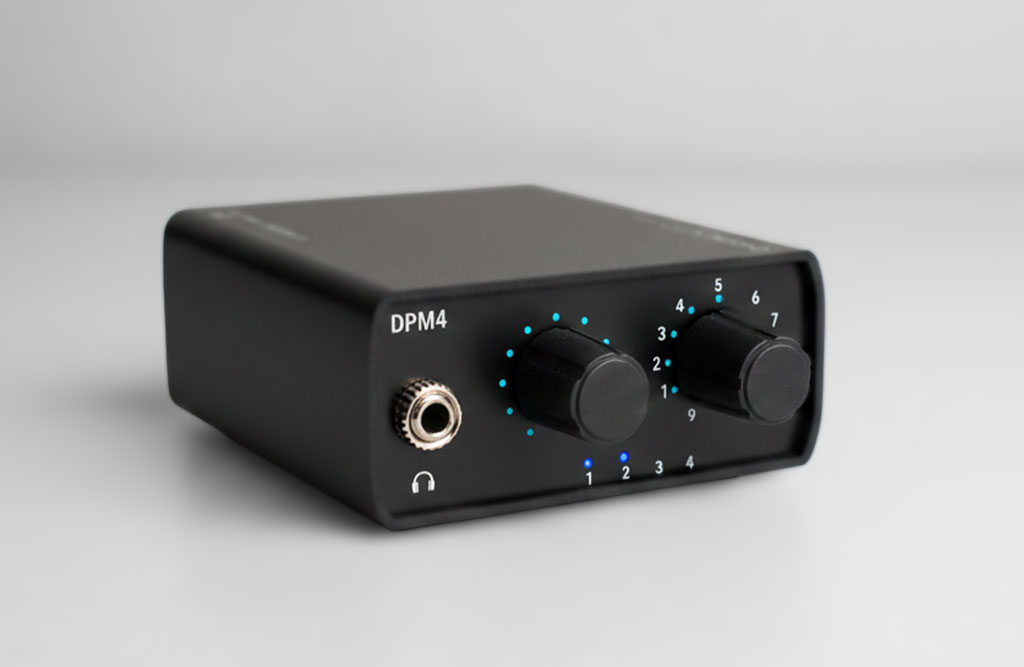
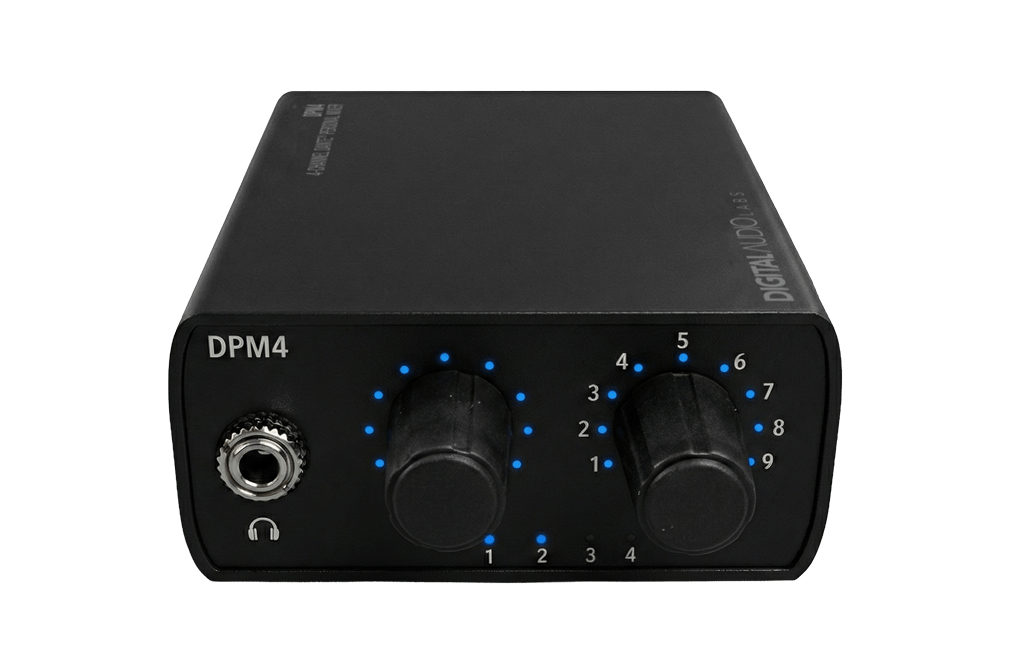
DPM4 4 Channel Dante Personal Mixer
The DPM4 provides four independent input channels over Dante, configurable in multiple ways so users can build the mix that works best for them. It is well suited for recording studios, small venues, houses of worship, and as an extension to Livemix Pro systems.
Features
4 input channels from Dante
Configurable into up to 2 stereo pairs
Up to 96 kHz Dante capability
9 DSP programs for sound shaping
Master volume control
1/8 inch and 1/4 inch stereo outputs
Power over Ethernet (PoE)
Setup and routing via Dante Controller
Dual position belt clip for wearable flexibility
Mix Options
With four channels available, users can:
Mix 4 individual channels
Mix 2 stereo channels
Create a stereo “everything mix” plus a personal channel and click track
Create a stereo “everything mix” plus guitar and vocal
Use mixer Aux Busses to send 4 mono grouped mixes such as drums, vocals, keys, and guitars
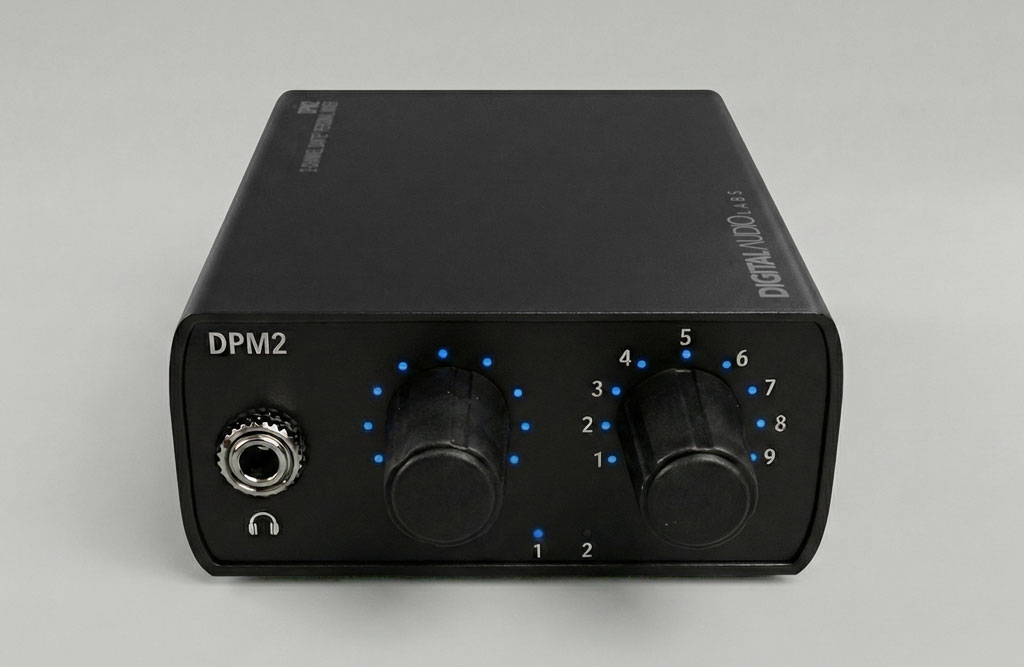
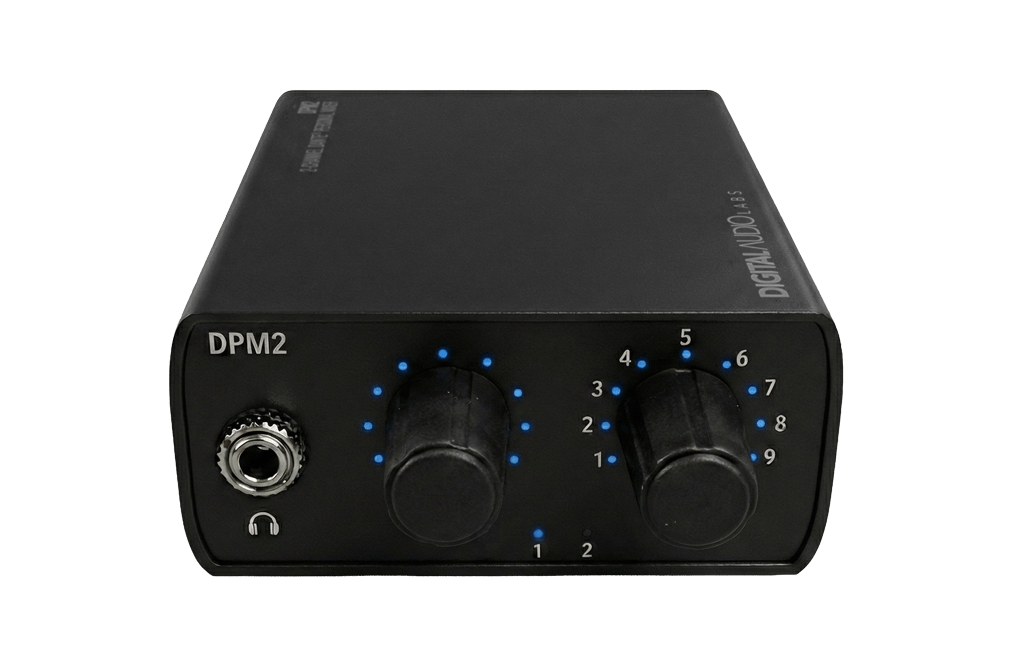
DPM2 2 Channel Dante Personal Mixer
The DPM2 is a streamlined two channel personal mixer that gives users full control with fewer inputs. It is ideal for singer songwriters, smaller bands, or as a personal node off a Livemix Pro mix.
Features
2 input channels from Dante
Configurable into a single stereo pair
Up to 96 kHz Dante capability
9 DSP programs
Master volume control
1/8 inch and 1/4 inch stereo outputs
Power over Ethernet (PoE)
Setup via Dante Controller
Dual position belt clip for wearable use
Mix Options
With two channels, users can:
Mix 2 individual channels
Mix 1 stereo channel
Create a stereo “everything mix”
Create a mono “everything mix” plus vocal
Use mixer Aux Busses to send 2 mono grouped mixes such as instrument mix and vocal mix
Integration and Workflow
Personal Monitoring Made Easier
Both DPM units are designed to integrate seamlessly with Dante networks and existing workflows. They can be used to extend a Livemix Pro mix to multiple users, add personal instrument channels alongside a base mix, or set up studio cue mixes using Dante Virtual Soundcard.
Dante Networking Capabilities
Dante audio streams deliver low latency audio over standard Ethernet networks. Power over Ethernet allows a single cable to handle both power and audio. Setup and routing are handled through Dante Controller software.
Physical and Control Features
Both mixers share the following characteristics:
Belt clip wearable form factor
Master volume control always accessible
Configurable channel routing and DSP
Flexible headphone or in ear monitor outputs with 1/8 inch and 1/4 inch jacks
Designed for quick personal mix control without large consoles or complicated systems
Summary
The DPM Series Dante Personal Mixers are compact professional personal mixers designed for small bands, recording studios, churches and houses of worship, touring musicians, and Livemix Pro extensions.
With 4 or 2 channel options, 96 kHz Dante audio capability, built in DSP programs, PoE support, and a wearable design, the DPM Series delivers powerful personal mixing in setups where simplicity, flexibility, and portability matter most.